
"low fruit"
10000 article(s) found

What are the common coffee beans? coffee beans with relatively low acidity are recommended.
Ethiopia-Mocha (special flavor): for the origin of coffee, small particles, dry, turquoise, with a special aroma and sour taste. Ethiopia grades NO.1~NO.8 according to the blending rate of defective beans. Characteristics: fragrant-strong, sweet-medium, acid-medium, alcohol-strong, bitter Java coffee producing area: Java, Indonesia belongs to Arabica coffee. After baking

Ugandan coffee with low ripe fruit flavor and taste characteristics of Ugandan coffee beans
Ugandan coffee beans are very suitable for making Italian and other flavors of coffee. More importantly, Ugandan coffee beans are strictly screened according to the standards of the international market to ensure their high quality and pollution-free characteristics. Africa is the hometown of two major varieties of coffee, Arabica and Robusta, while the eastern African country enjoys plateau water.

A brief introduction to the flavor, taste and aroma characteristics of high-grade vanilla sweet Bolivian coffee beans
The overall taste of Bolivian coffee is rich and balanced, the aroma is rich and unique, similar to the mixture of flower and fruit aroma, impressive. The perennial low temperature environment makes the coffee fruit grow slowly, compact enough, the aroma is also charming, the floral aroma is obviously medium and low acidity, but the feeling is not monotonous, on the contrary, it appears soft and fresh, with the sour taste of citrus fruit. Bolivian coffee

The types and characteristics of Coffee Daquan Coffee is not just a Beverage Coffee
Professional coffee knowledge exchange more coffee bean information please follow the coffee workshop (Wechat official account cafe_style) coffee, it is really just a drink just people who drink it, too complicated! Coffee belongs to the evergreen shrub of the genus Rubiaceae. There are about 125 species of plants under the genus Coffea, distributed in the subgenus Coffeae (25 in Africa and 55 in Madagascar).
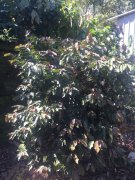
Introduction to the characteristics of Taiwan Purple Leaf Coffee Tree 'Men's Coffee' in Portugal
Purple Leaf Coffee (Purpurascens), non-self-pollinated coffee! Han Huaizong teacher Han Huaizong called this coffee "Men's Coffee" (Cafe Macho). The young leaves of the coffee are purple and the mature leaves are lilac. The flower is light red, the young fruit has purple stripes, the mature fruit is dark red, and the yield is low. Purple leaf coffee has masculinity, is a mutant sterile male flower, and can not be pollinated by itself.

Which coffee producing countries in South America? what are the characteristics of why Brazil is rich in coffee beans?
Professional coffee knowledge exchange more coffee bean information please follow the coffee workshop (Wechat official account cafe_style) front street-South American coffee producing area brief introduction of Brazil coffee producing areas in the world, many producing areas in the country have no shade, much sunshine and low altitude, so the ripening time of coffee fruit is about 6-8 months. Coffee fruit grows fast, beans.

Brazil's four main varieties Honey treatment Aishb Fine Coffee Bean planting Market Price
Catuai: it is also a hybrid variety of Arabica, a hybrid of New World and Kaddura, which helps inherit the advantage of Kaddura's low stature and change the shortcomings of the New World; the other advantage is solid results, and it is not easy to fall off in case of strong wind, which makes up for the weakness of Arabica fruit without wind, but it is the biggest pity that the overall flavor performance is more monotonous than Kaddura. Kaduai is also popular.

What are the reasons for the poor quality of early Bolivian coffee?
The early Bolivian coffee was of low quality and the market was very poor. Usually the picked coffee fruit is bumped all the way to the processing plant after a simple peeling treatment. Due to the imperfect infrastructure, the traffic is underdeveloped. Coffee farmers have to overcome the rugged mountain road and transport the beans to the higher altitude area of La Paz for washing. If the coffee fruit can not be delivered to the processing in time
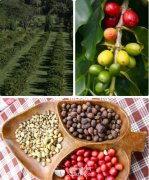
Coffee classification
Special classification system of coffee: 1. Subgenus Coffea: 2. Malagasy coffee subgenus: 3. Subgenus Pala Coffee: 4. Age coffee subgenus: a, red coffee group: B, thick-skinned coffee group: C, Mozambican coffee group: d, black fruit coffee group E, dwarf coffee group: red fruit coffee group: a) Arabica species: Tibica varieties: (Tp)

Introduction of Bolivian coffee beans with rich and balanced taste and rich aroma
The early Bolivian coffee was of low quality and the market was very poor. Usually the picked coffee fruit is bumped all the way to the processing plant after a simple peeling treatment. Due to the imperfect infrastructure, the traffic is underdeveloped. Coffee farmers have to overcome the rugged mountain road and transport the beans to the higher altitude area of La Paz for washing. If the coffee fruit can not be delivered to the processing in time
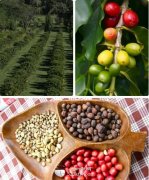
Coffee classification system
Special classification system of coffee: 1. Subgenus Coffea: 2. Malagasy coffee subgenus: 3. Subgenus Pala Coffee: 4. Age coffee subgenus: a, red coffee group: B, thick-skinned coffee group: C, Mozambican coffee group: d, black fruit coffee group E, dwarf coffee group: red fruit coffee group: a) Arabica species: Tibica varieties: (Tp)

Brazil's four main varieties Honey treatment Faca Esheb boutique coffee beans planting geographical location
Dry incense can be said to be the most charming place of this bean. After grinding, you can obviously feel a kind of elegant floral fragrance, fresh and elegant, but it is not like Yega Xuefei's floral fragrance rising all the time, but a feeling of eloquence. In addition, there is obvious honey sweet fragrance, the overall dry fragrance is low and melodious, the honey sweet fragrance is more prominent after water injection, and the entrance of the coffee is very gently sour across the mouth.

Has a unique Bolivian coffee growing environment to introduce boutique coffee.
The early Bolivian coffee was of low quality and the market was very poor. Usually the picked coffee fruit is bumped all the way to the processing plant after a simple peeling treatment. Due to the imperfect infrastructure, the traffic is underdeveloped. Coffee farmers have to overcome the rugged mountain road and transport the beans to the higher altitude area of La Paz for washing. If the coffee fruit can not be delivered to the processing in time

Kenyan coffee beans with low acidity and strong taste introduce the central mountain area of Nyeri.
Aromatic, full-bodied, with fruit flavor, taste rich and perfect. Kenyan coffee has a wonderful fruit flavor, tastes like BlackBerry and grapefruit, and is a favorite of many coffee gluttons. This coffee has an excellent medium purity, crisp and refreshing taste. It has a fresh flavor and is most suitable for drinking iced coffee in summer. When tasting this coffee, if served with pomelo

The effect of coffee varieties on flavor The difference between Elida Cardoba and iron pickup
As a century-old Arida Manor, the quality of coffee produced here has always been good. Panama's Elida Estate is located in Poquete, Panama's famous boutique coffee producing area. The total area of the estate is 65 hectares, more than half of which are located in Baru Volcano National Park. Only 30 hectares of the estate are planted with coffee trees, and the rest are still primitive.

Introduction to the taste and flavor manor area of Kenyan boutique coffee beans with low acidity
Aromatic, full-bodied, with fruit flavor, taste rich and perfect. Kenyan coffee has a wonderful fruit flavor, tastes like BlackBerry and grapefruit, and is a favorite of many coffee gluttons. This coffee has an excellent medium purity, crisp and refreshing taste. It has a fresh flavor and is most suitable for drinking iced coffee in summer. When tasting this coffee, if served with pomelo

Knowledge of Coffee Variety Classification
Special classification system of coffee: 1. Subgenus Coffea: 2. Malagasy coffee subgenus: 3. Subgenus Pala Coffee: 4. Age coffee subgenus: a, red coffee group: B, thick-skinned coffee group: C, Mozambican coffee group: d, black fruit coffee group E, dwarf coffee group: red fruit coffee group: a) Arabica species: Tibica varieties: (Tp)

A brief introduction to the market price of Bolivian boutique coffee beans with rich sour taste
The early Bolivian coffee was of low quality and the market was very poor. Usually the picked coffee fruit is bumped all the way to the processing plant after a simple peeling treatment. Due to the imperfect infrastructure, the traffic is underdeveloped. Coffee farmers have to overcome the rugged mountain road and transport the beans to the higher altitude area of La Paz for washing. If the coffee fruit can not be delivered to the processing in time
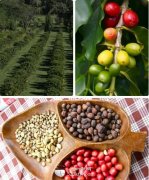
Coffee Common sense Coffee Special Classification system
Special classification system of coffee: 1. Subgenus Coffea: 2. Malagasy coffee subgenus: 3. Subgenus Pala Coffee: 4. Age coffee subgenus: a, red coffee group: B, thick-skinned coffee group: C, Mozambican coffee group: d, black fruit coffee group E, dwarf coffee group: red fruit coffee group: a) Arabica species: Tibica varieties: (Tp)

A brief introduction to the cultivation of sour Bolivian boutique coffee beans, geographical location, climate and altitude
The early Bolivian coffee was of low quality and the market was very poor. Usually the picked coffee fruit is bumped all the way to the processing plant after a simple peeling treatment. Due to the imperfect infrastructure, the traffic is underdeveloped. Coffee farmers have to overcome the rugged mountain road and transport the beans to the higher altitude area of La Paz for washing. If the coffee fruit can not be delivered to the processing in time